Nano Banana 2.1: reported ~50% API and batch pricing—replan mass-generation jobs for Bubble catalogs in BIAIG
Google GA’d gemini-nano-banana-2.1 on 2026-10-06. For high-volume Bubble catalogs: when to keep sync API Connector, when to move jobs to Batch (~24h), and what to log per SKU for finance.
Why replan now
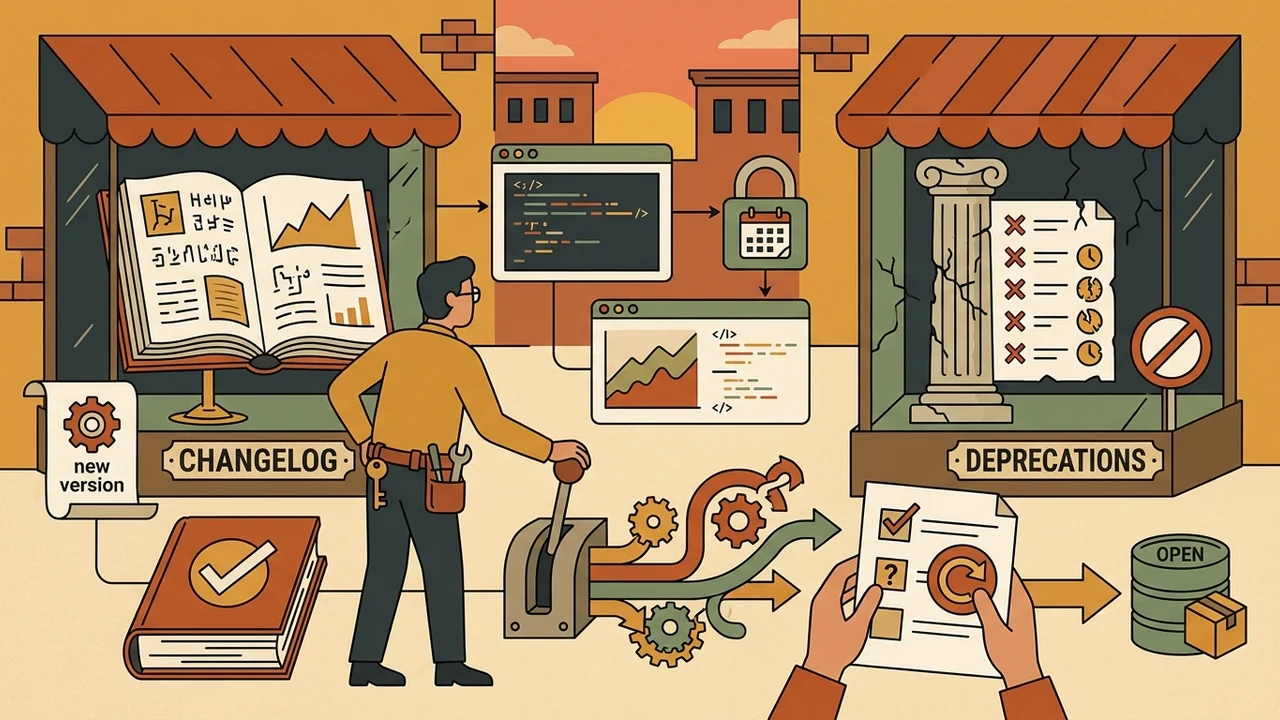
On 2026-10-06 Google GA-released gemini-nano-banana-2.1 as the successor to gemini-3.1-flash-image (Nano Banana 2). Release notes deprecate NB2 with shutdown 2026-10-29 and push migration to 2.1. A closer look: 29 Oct 2026 Nano Banana.
I pulled deprecations on 2026-10-07 during the Scout pass. Same model ID still said “No shutdown date announced.” I would not hard-code a deadline from one page—re-check both (changelog, deprecations) before you ship.
Aggregators (digest, benchlm.ai) headline “~50% lower” mostly on image-output and batch = half of standard. That lines up with Gemini API pricing for 1K/2K. 4K standard drops ~25% ($0.151 → $0.113), not 50%. Do not apply “−50%” to total spend: 2.1 input tokens cost more than NB2 ($1.50 vs $0.50 per 1M), default thinking is medium, and grounding can add $14/1k search queries after the shared free quota.
If October bulk catalog generation is already on your calendar, rebaseline unit economics before the NB2 cutoff—not just swap the model ID.
Numbers for replan (Google, paid tier)
Per-image output equivalents:
| Resolution | NB2 standard | 2.1 standard | 2.1 batch |
|---|---|---|---|
| 1K | $0.067 | $0.0336 | $0.0168 |
| 2K | $0.101 | $0.0504 | $0.0252 |
| 4K | $0.151 | $0.113 | $0.0567 |
Batch API is async with a target turnaround up to 24 hours (Batch API docs). Batch image token rate is half of standard ($15 vs $30 per 1M image tokens). 2.1 has no 0.5K tier—NB2 0.5K pipelines must move to 1K (cost and visual spec change).
See the 2.1 model card (Batch supported; 1K/2K/4K only).
Bubble catalogs: sync API Connector vs batch in BIAIG
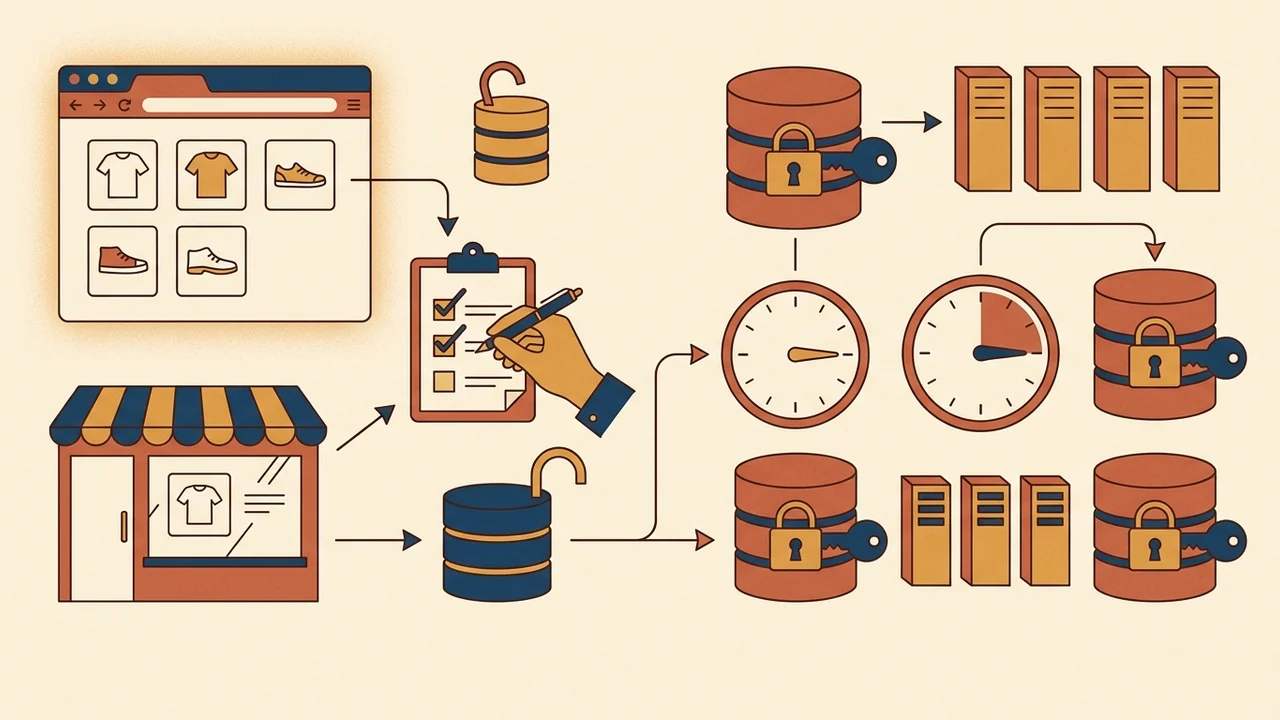
Editorial inference (no public Bubble/BIAIG batch spec in the Scout pass): SKUs that today run synchronously via API Connector (generateContent-style) and can tolerate ≥24h image refresh SLA are candidates for Gemini Batch, not tighter sync loops. Worth reading next: Imagen 3 GA endpoints discontinued:. Worth reading next: Imagen 3 GA endpoints discontinued:.
 Worth reading next: gpt-image-1 sunsets 23 Oct 2026:. Worth reading next: gpt-image-1 sunsets 23 Oct 2026:.
| Factor | Sync API Connector | Batch (BIAIG / external orchestrator) |
|---|---|---|
| SLA | minutes–hours | up to ~24h (best-effort) |
| Image unit cost | standard | ~50% of standard |
| Bubble WU | many runs per SKU | fewer, heavier submit/poll/ingest steps—WU break-even not documented here; measure on your plan |
| SKU correlation | your workflow fields | JSONL per-line user keys per Google batch guidance |
| Retries | duplicate spend without idempotency | same keys + idempotent Bubble ingest |
BIAIG: I did not find an authoritative public doc that ties BIAIG to JSONL build, job submit, poll/webhook, and asset ingest back into Bubble. Operationally, treat BIAIG as a layer that should mirror Google’s image batch flow (inline ~20MB or JSONL up to 2GB); Bubble stays SKU state and publish gates.
Use generateContent patterns, not legacy Imagen :predict (image generation guide).
Align scheduler and WU with batch windows
- Separate submit day from publish day—Bubble workflows should not assume same-day batch completion. Gate publish on job status plus file in Storage/CDN.
- Poll sparingly (e.g. every 15–60 minutes) instead of tight loops to save WU while respecting 24h SLA.
- Wave = one JSONL job with SKU keys; keep urgent sync exceptions on a separate budget line.
- Before NB2 shutdown (release notes: 2026-10-29, confirm in your project): regression sample NB2 vs 2.1 for edits, reference images, and text-on-image—quality bar is an open question, but economics without it is incomplete.
Per-SKU logging for finance
Minimum fields (aligned with batch JSONL keys and invoice rows):
sku_id/ catalog key (same as JSONL line key)model_id:gemini-nano-banana-2.1modality:standard|batchresolution:1k|2k|4kbatch_job_id,batch_line_key,submitted_at,completed_atimage_output_count, token usage metadata when returnedthinking_level(defaultmediumon 2.1)- grounding / search query counts for post-quota allocation
prompt_template_idwhen templates are shared across SKUs- Google invoice line or export reference
retry_generation_idfor idempotency
Headline “~50% cheaper” does not replace input, thinking, and grounding lines in your spreadsheet—I reconcile invoices that way.
Source bounds
Primary: Gemini API pricing, Batch API, 2.1 model card. Third-party aggregators (e.g. benchlm.ai) may misstate 4K—use Google footnotes for replan math.
Internal editorial only; not for external publish. Written from the approved plan item and Scout packet.