Gemini Nano Banana 2 for high-volume Bubble: a third provider alongside GPT Image 2.5 in BIAIG
Google positions Nano Banana 2 (`gemini-3.1-flash-image`) for fast, high-volume image generation. How to add it as a third pillar in a multi-provider orchestrator next to GPT Image 2.5 and fal-Meta—and which ref, aspect/size, and batch contracts to normalize in Bubble.
Why a third pillar
High-volume Bubble pipelines often already run two provider lanes: OpenAI GPT Image 2.5 (Image API, multiple images via n, pixel-based sizes) and fal-Meta (meta/muse-image/*, queue, CDN URLs, aspect_ratio, num_images). Recent digest coverage points to Gemini Nano Banana 2 as a distinct bulk path—not the Workspace side panel in Slides, but API + Batch. A closer look: SenseNova U1 Pro and 8K. A closer look: SenseNova U1 Pro and 8K.
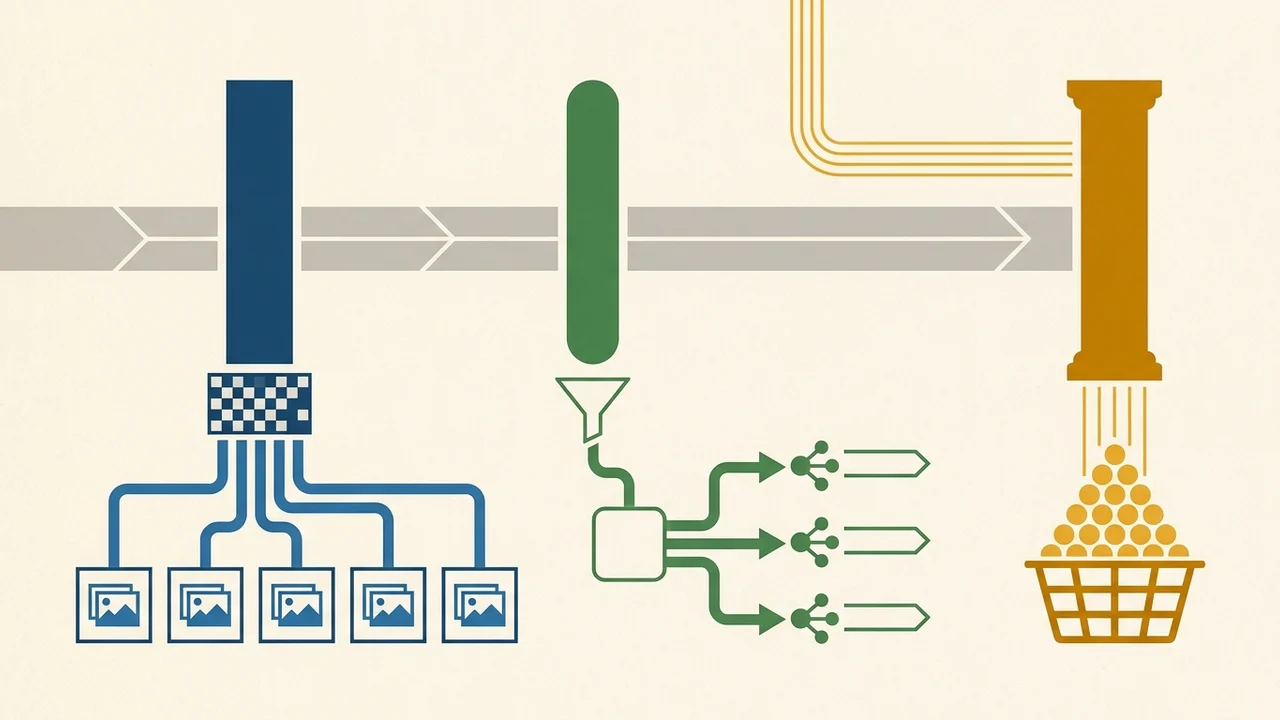
Google documents Nano Banana 2 as Gemini 3.1 Flash Image (gemini-3.1-flash-image): optimized for speed and high-volume developer use, separate from Nano Banana (gemini-2.5-flash-image) and Nano Banana Pro (gemini-3-pro-image). Native access is Gemini API generateContent with image modalities; the model card lists Batch API support and no Live API.
BIAIG as a multi-provider orchestrator name does not appear in public Bubble/Google/fal docs—treat the following as an editorial pattern: one internal job → routing to GPT / fal-Meta / Gemini (direct or via fal-ai/nano-banana-2).
Two integration paths for the same model family
- Direct Google — Gemini API (or Vertex per your policy): batch jobs, inline/base64, Files API.
- fal —
fal-ai/nano-banana-2(+/edit): same lineage, fal-normalized schema (prompt,resolution,aspect_ratio,num_images1–4,image_urlson edit, optional web search/thinking).
The decision is less about “best model” and more about latency vs throughput, billing, compliance, and who owns reference assets (URLs vs files).
Where Nano Banana 2 fits in the provider matrix
| Criterion | GPT Image 2.5 | fal-Meta | Nano Banana 2 (Google / fal) |
|---|---|---|---|
| Positioning | gpt-image-2.5-flare (speed) / sunburst (quality) |
Muse text-to-image + edit | High-volume, wider ratios, up to 14 input images (native spec) |
| Multi-image per call | n |
num_images |
fal: 1–4; native sync separate from Batch jobs |
| Bulk throughput | sync API limits | queue/subscribe | Batch API (async, up to ~24h turnaround; JSONL via File API or inline under ~20MB) |
| Batch resolution | — | — | Cloud batch inference: 1K only for image output (not 2K/4K in batch) |
| Edit refs | URL / base64 / file IDs | image_urls (1–10 on edit) |
native: inline_data/Files (URLs not accepted on native generateContent per documented API behavior); fal edit: image_urls |
Orchestrator rule of thumb: real-time previews and small sets → sync (GPT, fal, Gemini generateContent); overnight catalogs and large fan-out → Gemini Batch (or fal queue if you need shorter SLA—but different caps).
Contracts to normalize in one orchestrator
1. References
- Internal:
ref[]withblob | file_id | https_url+ checksum. - Google native: Files API or
inline_data; adapter step URL → download → file/part—no URL passthrough. - OpenAI / fal-Meta / fal Nano Banana: URLs often work—but Bubble should still persist outputs (fal hosted URLs may expire).
2. Aspect / size
- Google:
imageConfig.aspectRatio(3.1 Flash adds ratios including 1:4, 4:1, 1:8, 8:1) +imageSize(512 / 1K / 2K / 4K; default 1K). - OpenAI: pixel
size+quality, not ratio enums. - fal:
aspect_ratioenum +resolutiontier.
Maintain one internal enum (e.g. RATIO_16_9 @ RES_1K) and three mappers; for Gemini on Vertex batch inference, force RES_1K even when sync allows 2K/4K.
3. Batch semantics
- Google Batch API — separate job lifecycle (create, poll, read output); explicitly targets high-volume “Gemini Nano Banana” image generation; tradeoff: higher limits/throughput vs up to ~24h turnaround.
- OpenAI — multi-image in one sync request—not the same contract as JSONL batch jobs.
- fal Nano Banana 2 —
num_images≤ 4 per request; not a megabatch substitute without orchestrator-side fan-out.
Expose JobType: SYNC | QUEUED | BATCH_24H in your state machine; do not merge Batch polling with fal webhooks in one Bubble step without clear status models.
4. Output handling
- Google native — often base64 inline parts.
- fal — HTTPS CDN URLs.
- OpenAI — per Image API response formats.
Bubble layer: one ingest path → storage + DB asset row for every provider; store model id, aspect, batch job id consistently.
Workspace vs API (digest angle)
Interactive Gemini/Imagen in Workspace is not documented as a bulk API equivalent. Google steers Imagen users toward Nano Banana + generateContent. For Bubble high-volume work, plan on API (+ Batch), not “generate in Slides and export.” Worth reading next: Imagen 3 GA endpoints discontinued:. Worth reading next: gpt-image-1 sunsets 23 Oct 2026:.
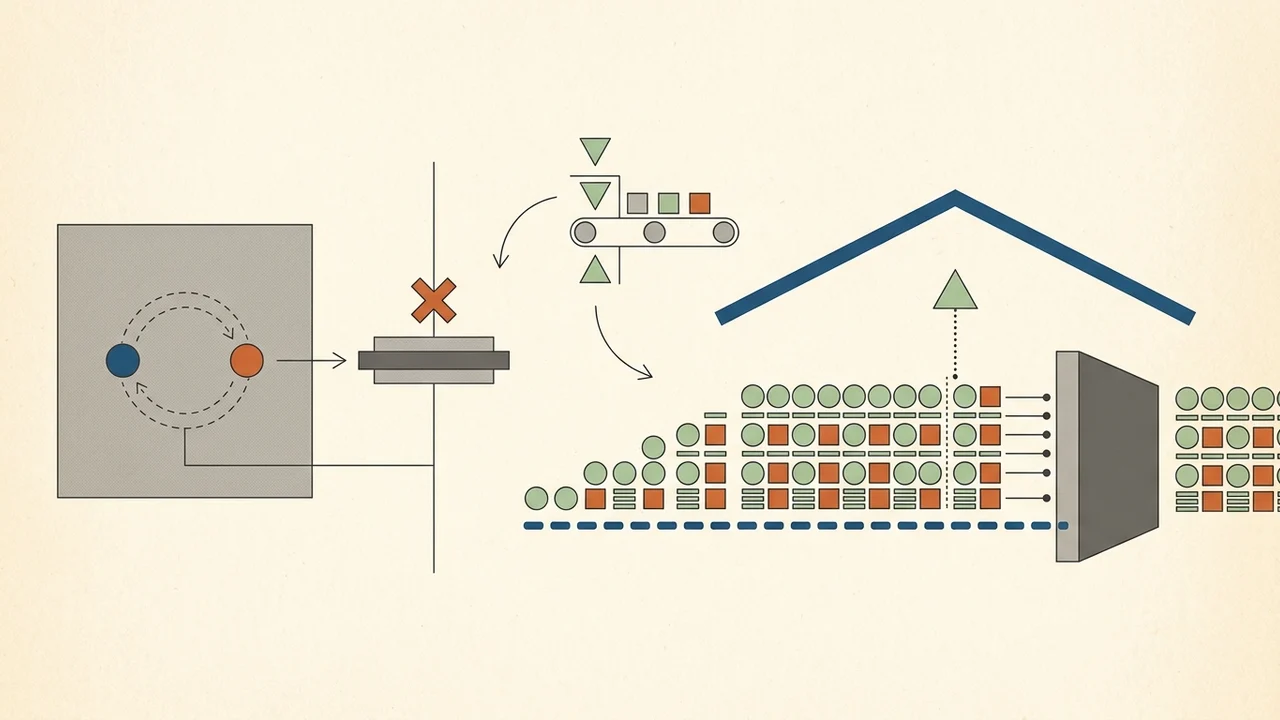
Pre-production checklist
- Confirm canonical model ID (
gemini-3.1-flash-imagevs preview strings in Batch examples). - Decide if Bubble jobs fit 24h Batch SLA or need sync/fal queue only.
- Pricing: Google token billing vs fal markup—model separately; treat search grounding as optional per job.
- Compliance: fal adds a vendor vs direct Google—stay neutral until internal policy is set.
- Do not promise 2K/4K bulk on Vertex batch image—official batch inference caps at 1K. Same topic: gpt-image-2 batch discount: unit economics. Same topic: gpt-image-2 batch discount: unit economics.
Takeaway
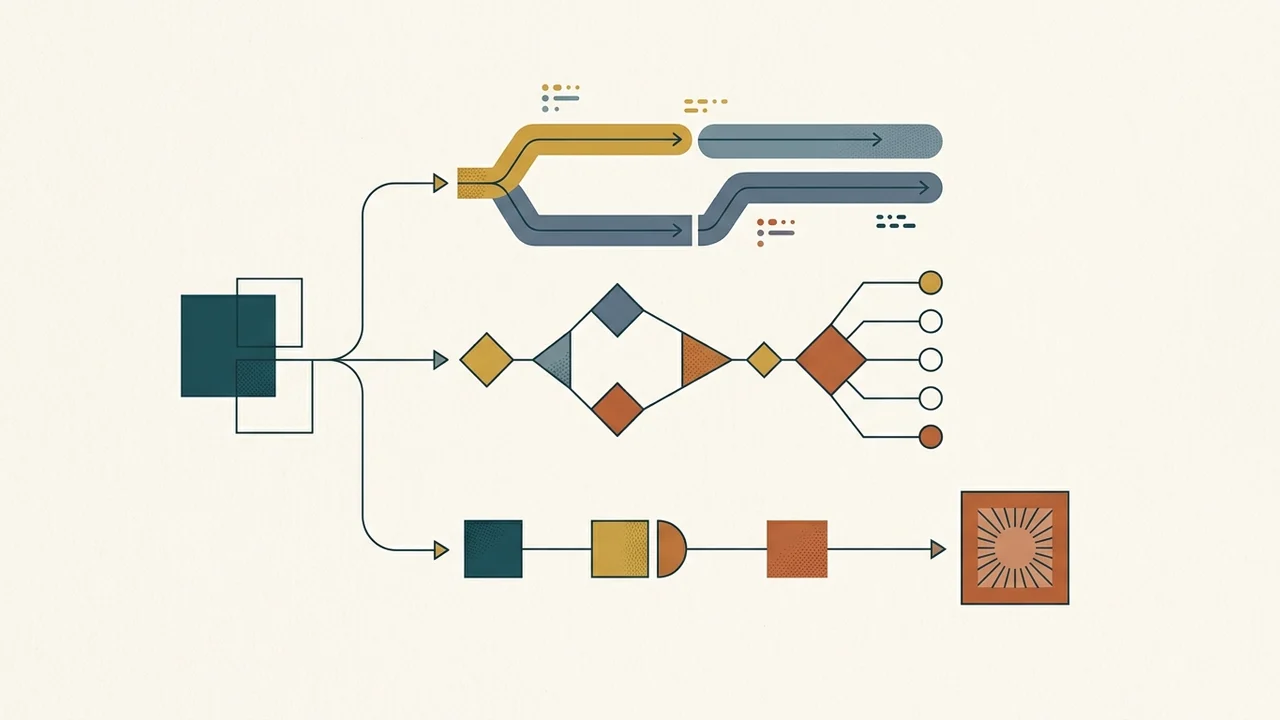
Nano Banana 2 fills the Google-native bulk slot with wide ratios and many input images, while GPT Image 2.5 remains a strong sync pillar and fal-Meta keeps a unified fal schema for Meta edits. A third BIAIG pillar pays off only if the orchestrator explicitly normalizes refs, aspect/size (with batch 1K cap), batch lifecycle, and asset persistence—routing by JobType and SLA, not by adding another opaque plugin.
Sources: Gemini API image generation, 3.1 Flash Image model card, Batch API, Vertex batch inference capabilities, OpenAI image guides, fal Nano Banana 2 and Meta Muse Image API (Scout research packet).