OpenAI image Batch API (−50%, 24h) vs Flare: high-volume Bubble bulk through BIAIG
Same gpt-image-2.5-flare SKU supports sync (IPM-capped) and batch (~50% off, up to 24h). For catalog SKU grids: job sizing, Bubble URL handoff, and BIAIG routing so you do not pay twice.
Context
OpenAI’s Batch API runs async image work at roughly 50% lower cost than synchronous calls, on a separate rate-limit pool, with a fixed completion_window of 24 hours (often finishing sooner). Image batch jobs use /v1/images/generations or /v1/images/edits via JSONL: up to 50,000 lines, 200 MB, one model per file, and custom_id to join results back to your catalog.
GPT Image 2.5 Flare and Sunburst (2026-09-08): Flare is positioned for fast, high-volume everyday generation; Sunburst for edit precision. The Flare model page lists Batch (v1/batch) among supported endpoints—the fork is orchestration (batch vs sync), not a different model SKU. A closer look: Flare, Sunburst, and WaveSpeedAI: routing. A closer look: Flare, Sunburst, and WaveSpeedAI: routing.
Sync Flare throughput is capped by images per minute (IPM) by billing tier (model docs cite up to ~250 IPM at Tier 5). Large SKU grids with an acceptable 24h SLA belong on batch; same-day or interactive work belongs on sync.
When to use batch vs sync Flare
| Criterion | Batch (24h) | Sync Flare |
|---|---|---|
| SLA | Up to 24h; misses → batch_expired in error file |
Minutes, bounded by IPM tier |
| Cost | ~50% vs sync (batch guide) | Full model token rates |
| Volume | JSONL limits (50k lines / 200 MB) | IPM cap |
| Model mix | One model per JSONL file | Per request |
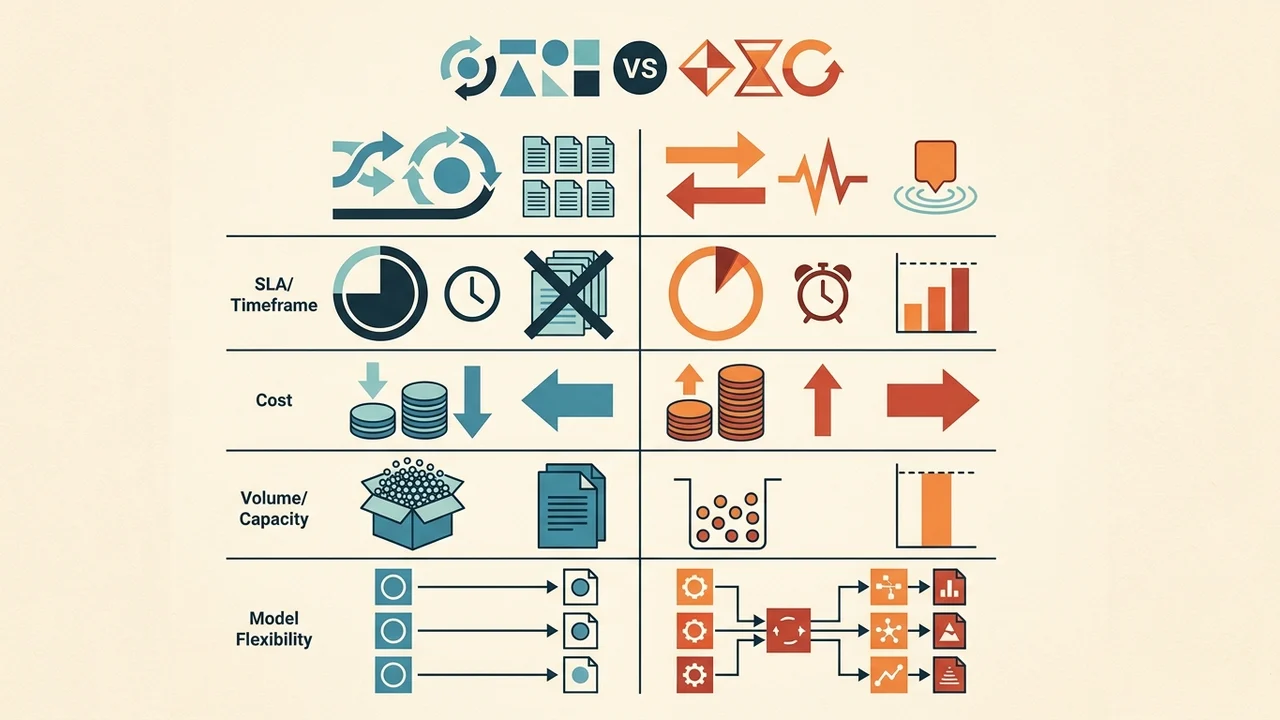
Use Sunburst in batch only when the grid needs edit fidelity on the first pass; otherwise batch Flare followed by a paid Sunburst re-gen is a common quality mismatch cost.
OpenAI does not publish a universal break-even grid size (images × resolution × quality vs tier IPM plus Bubble upload overhead)—model that for your tier and pipeline.
Bubble handoff: persist Bubble-native URLs
Image API examples center on b64_json. Bubble image/file fields store CDN URLs on Bubble storage. The Data API accepts either an external file URL or a base64 upload object (filename, contents, private, attach_to); community patterns document /fileupload for server-side ingestion—validate in staging; it is not first-party manual.
Typical bulk pipeline:
- Build JSONL with
custom_id= stable SKU or catalog row id. - Submit batch → read output file → decode b64 (or fetch bytes as returned).
- Upload to Bubble storage → obtain a durable URL.
- Write URL to the catalog record; tie job status to
custom_id.
Do not treat transient external URLs as catalog truth without re-hosting.
BIAIG routing (editorial rules—no public BIAIG spec found)
At the gateway/router layer (BIAIG in your brief), the goal is one paid path per SKU grid unless policy explicitly allows re-runs.
Suggested rules:
- Lane lock: If
deadline > 24handline_countexceeds what sync can clear at your IPM tier → batch Flare only until complete orbatch_expired; do not mirror the samecustom_idon sync without idempotency. - Sync escape hatch: Only for error-file or expired lines, with the same
custom_idand aretry_reasonflag; orchestrator checks whether a Bubble URL already exists for that SKU. - Dedupe key:
custom_id↔ catalog SKU ↔ hash(prompt + model + size + quality)—block new jobs when the asset is already settled. - Model lock: One JSONL, one model; mixing Flare and Sunburst in one batch file is invalid.
- Input sizing: Prefer
image_urlfor reference images in JSONL, not embedded base64, to stay under the 200 MB cap. - Provider lock: Do not run the same grid in parallel through third-party routers without shared dedupe—same double-pay risk as batch + sync duplication. Same topic: gpt-image-2 batch discount: unit economics. Same topic: gpt-image-2 batch discount: unit economics.
Operational checklist
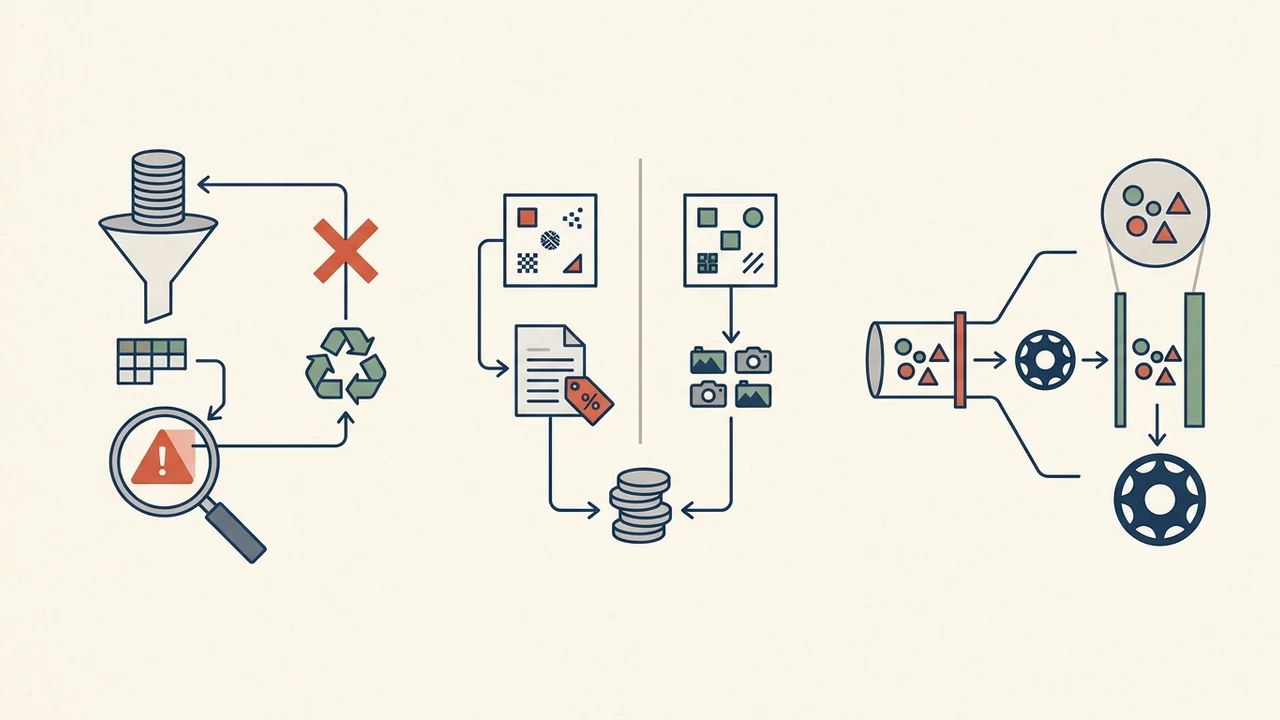
- Monitor batch status; parse the error file; retry by line, not blind whole-grid resubmit.
- gpt-image-2 vs gpt-image-2.5-flare in batch: changelog tied explicit image batch discount to gpt-image-2; 2.5 Flare also lists Batch—decide product imagery on sampled SKUs, not slogans.
- Low-tier IPM (e.g. ~5 IPM at Tier 1 in model docs) makes “line throughput” meaningless without tier context.
Sources (primary)
OpenAI Batch guide and Create batch API; API changelog (2026-09-08, 2026-04, 2026-02); gpt-image-2.5-flare/sunburst model pages; image generation and pricing docs; Bubble API manual (files); Bubble files help guide. Worth reading next: GPT Image 2.5 at 250. Worth reading next: GPT Image 2.5 at 250.