Copilot and GPT Image 2.5 Flare (public preview): where to stop at the UI and run Bubble catalog bulk via BIAIG
GitHub Copilot’s Flare-powered image tool is a strong one-SKU demo path—not a bulk control plane. For Bubble catalogs I still use API Connector, async Batch, public URLs, and BIAIG orchestration.
Why this landed in the digest
On 2026-10-28, GitHub announced conversational image generation and editing in GitHub Copilot (VS Code, Copilot app, Copilot CLI) in public preview for paid Copilot plans (Pro, Pro+, Business, Enterprise—not Free or Student). Requests go through a dedicated image tool backed by GPT Image 2.5 Flare, with inline preview and save-to-workspace. Billing is separate from the chat model, via text/image tokens against GitHub AI credits (preview terms may change).

I treat this as a different entry point than the post-incident failover bulk routes from our 2026-10-14 brief—and than what many founders call a “production catalog.” A fast IDE preview is not bulk generation inside Bubble.
Three channels, one model family
| Channel | Role | Lifecycle (public sources) |
|---|---|---|
| GitHub Copilot | Chat → one asset in the repo/workspace | Flare, public preview |
| OpenAI Image API / Batch | Programmatic bulk; gpt-image-2.5-flare / sunburst |
Batch supports /v1/images/generations and /v1/images/edits; up to 50k requests, 24h window; documented ~50% lower image output cost vs sync Batch pricing |
| Azure Foundry | REST image generations for Flare | Catalog lists Flare as GA—different label than Copilot preview |
Since 2026-09-08, OpenAI positions Flare for speed/high volume and Sunburst for precision editing. Copilot docs I reviewed name Flare only; I found no documented Sunburst picker in Copilot.
Bubble: the official path is API Connector → OpenAI, not Copilot image generation (Bubble OpenAI guide). Bulk catalogs live in API-key-driven Bubble workflows, not Copilot chat/CLI automation. Same topic: Canva Craft (2K, API, MCP):.
Product boundary: when Copilot fits
Copilot fits when:
- one SKU, one hero asset, rapid human-in-the-loop iteration;
- you save artifacts into the developer workspace;
- you are not operating a repeatable job over hundreds or thousands of catalog rows.
Copilot is a poor bulk control plane because:
- org AI credit pools and fair-use rate limits—no Copilot-documented batch job semantics;
- enterprises can disable the image model via Copilot model policies;
- preview is subject to change;
- there is no supported “Bubble backend → Copilot” integration for scheduled catalog generation. A closer look: ChatGPT is not bulk-native: where.
I do not read production readiness for the whole catalog from Copilot preview—or from Azure GA Flare—without matching your Bubble pipeline and economics (Batch discount applies on the API path, not in Copilot).
Bubble bulk catalog: API Connector + BIAIG
Your existing briefs already cover Flare/Sunburst routes and high-volume async patterns. BIAIG here means your internal gateway/orchestration between Bubble and the Image API; Scout found no public product named “BIAIG.” What follows matches those briefs and primary OpenAI/Bubble documentation.
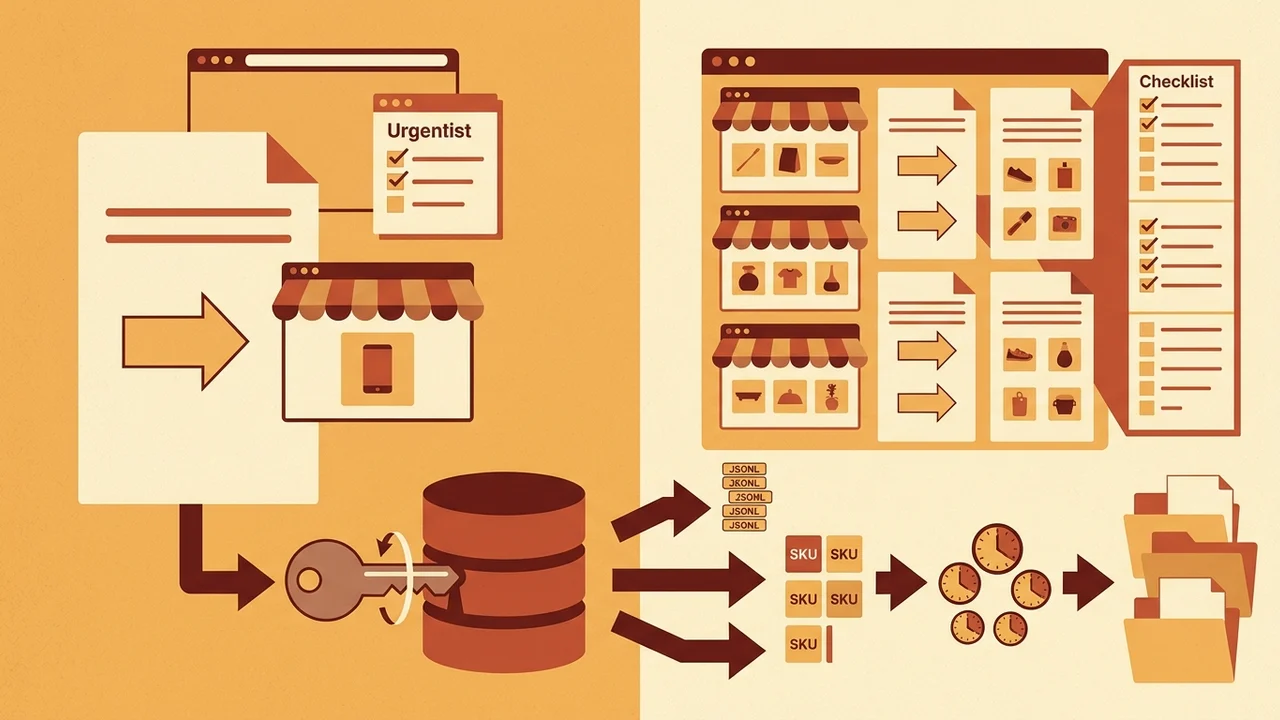
1. Sync vs Batch
- Sync generations—urgent single-SKU work, low parallel fan-out.
- Batch—catalog work tolerating up to ~24h latency: JSONL, chunk SKUs, poll status, parse output files. Explicitly supported for Flare and Sunburst.
| Mode | What it is for | What it is not for | Workflow / support |
|---|---|---|---|
| Sync | Urgent single-SKU work; low parallel fan-out | Catalog work tolerating up to ~24h latency | — |
| Batch | Catalog work tolerating up to ~24h latency | Urgent single-SKU work; low parallel fan-out | JSONL; chunk SKUs; poll status; parse output files. Explicitly supported for Flare and Sunburst. |
2. Stable public URLs
Provider-hosted image URLs are often short-lived. For Bubble catalogs: after generation, persist to Bubble file storage/CDN and store a durable public URL on the Product type—as in your latency/bulk briefs. Confirm response_format and URL lifetime against the current API reference (editorial open question).
3. Chunking and failover
- Queue jobs with idempotency per SKU (Bubble backend workflows and/or BIAIG workers).
- Flare ↔ Sunburst or OpenAI ↔ Azure failover is your policy from the 14.10 brief; public docs support both API routes, not your matrix.
4. API Connector discipline
- Separate calls/workflows for generation vs edits when Sunburst-level precision matters.
- Keep keys server-side; enforce privacy rules on catalog types holding image URLs.
5. Metadata and compliance
Copilot documents C2PA and optional visible watermarks. API pipelines should explicitly handle metadata and safety identifiers if your org requires it—do not assume bulk inherits Copilot’s defaults.
Suggested team workflow
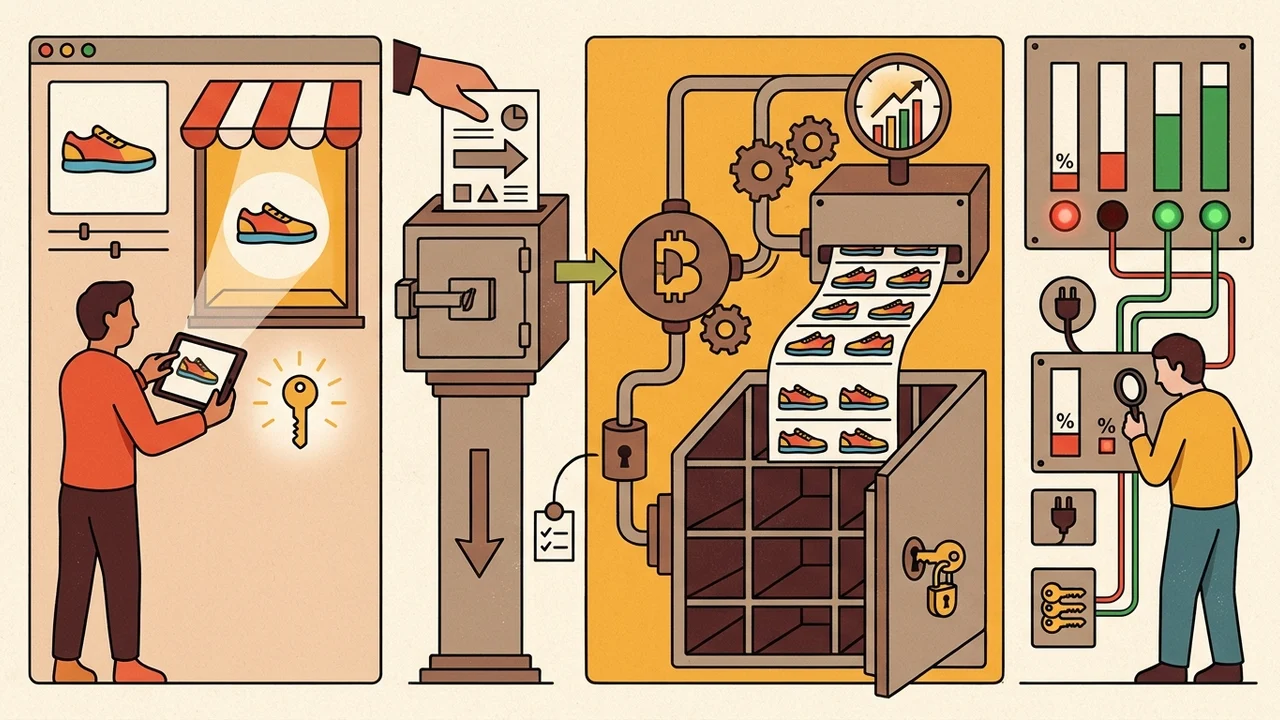
- Prototype one SKU hero in Copilot (Flare preview) if plan and org policy allow.
- Freeze prompt template and brand constraints as text artifacts.
- Run production via Bubble → BIAIG → OpenAI Batch (or Azure) → file persist → update Things.
- Monitor API key quotas and batch job health—not Copilot credit pools.
Open questions (no invented answers)
- Whether “Copilot” in the digest always means GitHub Copilot only (Oct 2026 docs are GitHub-specific).
- Dedicated Copilot image quotas beyond general AI credits—not found in reviewed GitHub docs.
- Standard OpenAI vs Azure failover for your catalog—internal policy only.
Sources
- GitHub Changelog, 2026-10-28
- About image generation in GitHub Copilot
- Copilot models and pricing
- Introducing ChatGPT Images 2.5
- OpenAI Image generation
- OpenAI Batch API
- gpt-image-2.5-flare — Azure
- Bubble — OpenAI integration
Internal editorial draft—not for external publication.